
Craniosacral Touch







Craniosacral Therapy -
What does it actually feel like?
Most people find treatments pleasant, frequently experiencing deep relaxation, warmth
or a sense of well-
What does a treatment involve?
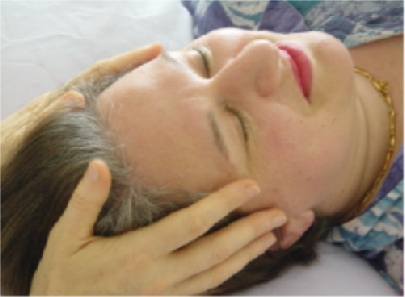
The client usually lies on a comfortable treatment couch fully clothed. The therapist then makes contact by placing their hands on the client's body. Contact is made carefully so that the patient feels at ease with what is happening.
How many treatments will I need?
The number and frequency of sessions required is dependent on your particular needs
and how persistant or severe the condition is. Some conditions or acute injury can
benefit enormously from 2-
© CSTA
Will treatments help if I have no particular symptoms?
Yes, many people find that Craniosacral Therapy helps them feel better and enjoy life more. Their energy levels improve and they are able to deal with everyday stress more positively. People often find it easier to fight off minor infections and regular treatments may help prevent more serious conditions from developing in the future.
What is the interval between sessions?
Initially sessions are usually a week to a fortnight apart. With long-
How safe is Craniosacral Therapy?
The light touch used in craniosacral therapy means that it is one of the safest therapeutic
forms. It is a non-
Is is head massage?
No. Because of the name, Craniosacral Therapy, people often think that it concerns only the head and spine. It is not a form of head massage although contact is made with the head in most sessions.
How long does it take?
Sessions usually last one hour. The first session takes up to an hour and a half.